

Med Spas: Patients Take Longer to Say Yes. Keep in Touch.
Many patients leave a consult to think it over. A simple, kind follow-up plan keeps your spa in touch until they're ready to book.
She sat through the whole consult. She asked good questions. She smiled and said, "Let me think about it."
That was in March. Nobody ever called her back.
Maybe she booked somewhere else. Maybe she's still thinking. Your spa will never know.
That consult wasn't free. Your provider gave it time, and so did your front desk. When nobody follows up, that time is gone. "Let me think about it" is not a no. It often means "not yet."
The fix is simple. A kind med spa consultation follow-up plan keeps you in touch until patients are ready. It gives the consults you've already spent time on a fair chance to turn into booked visits, without pushing anyone.
Many Patients Need More Time Before They Book
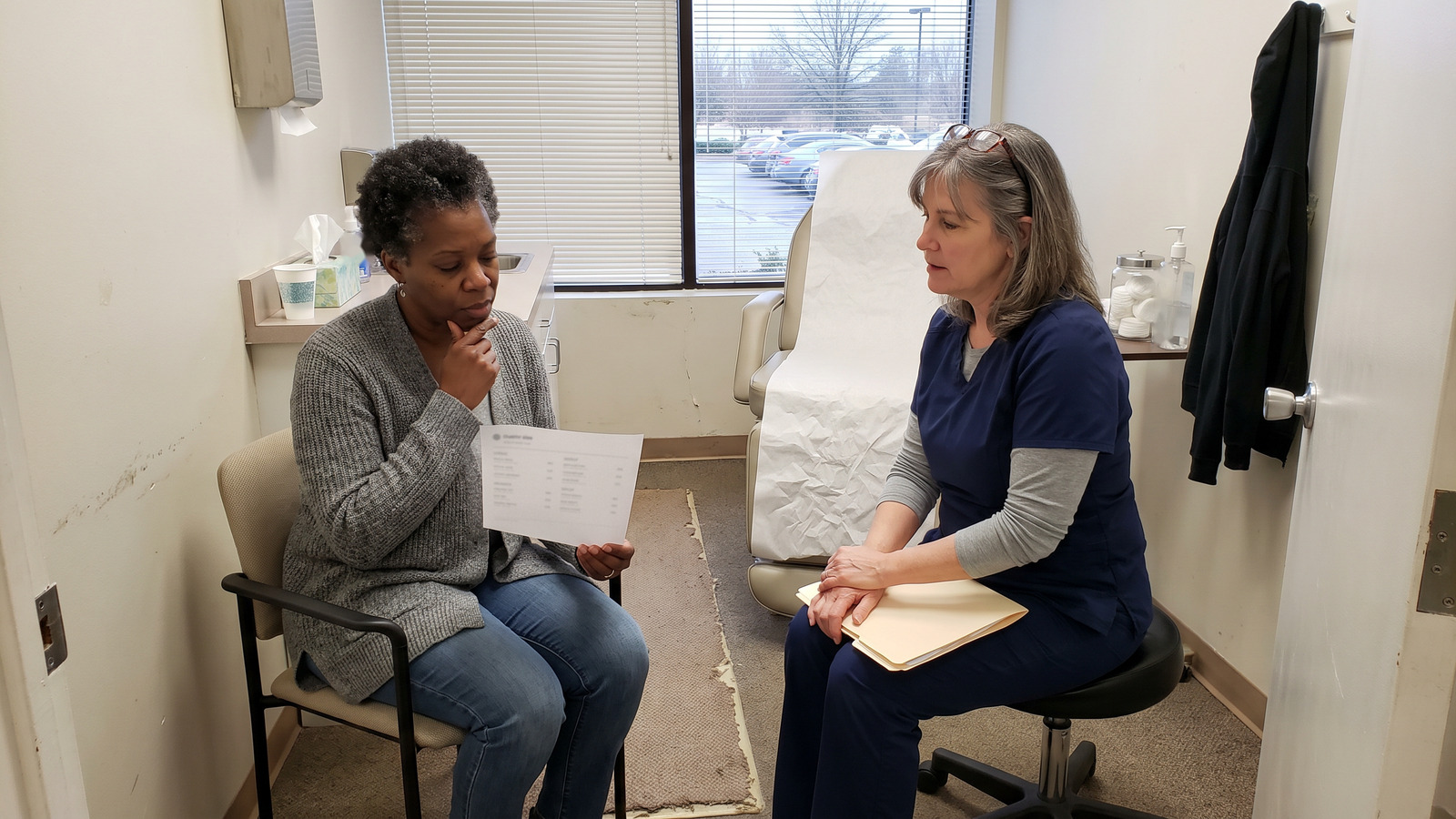
Taking time to decide is common now, and not just at med spas.
The American Society of Plastic Surgeons wrote about it on Oct. 1, 2026. It says patients "may meet with two or three surgeons" before they choose. One member surgeon, Dr. Noël Natoli, said it's "very common for patients to return a year or even two years after an initial consultation." She named "inflation and the rising cost of living" as one reason people are slower to spend.
That article is about surgery, which is a much bigger choice than most med spa visits. But the same habit of taking time shows up with smaller choices, too.
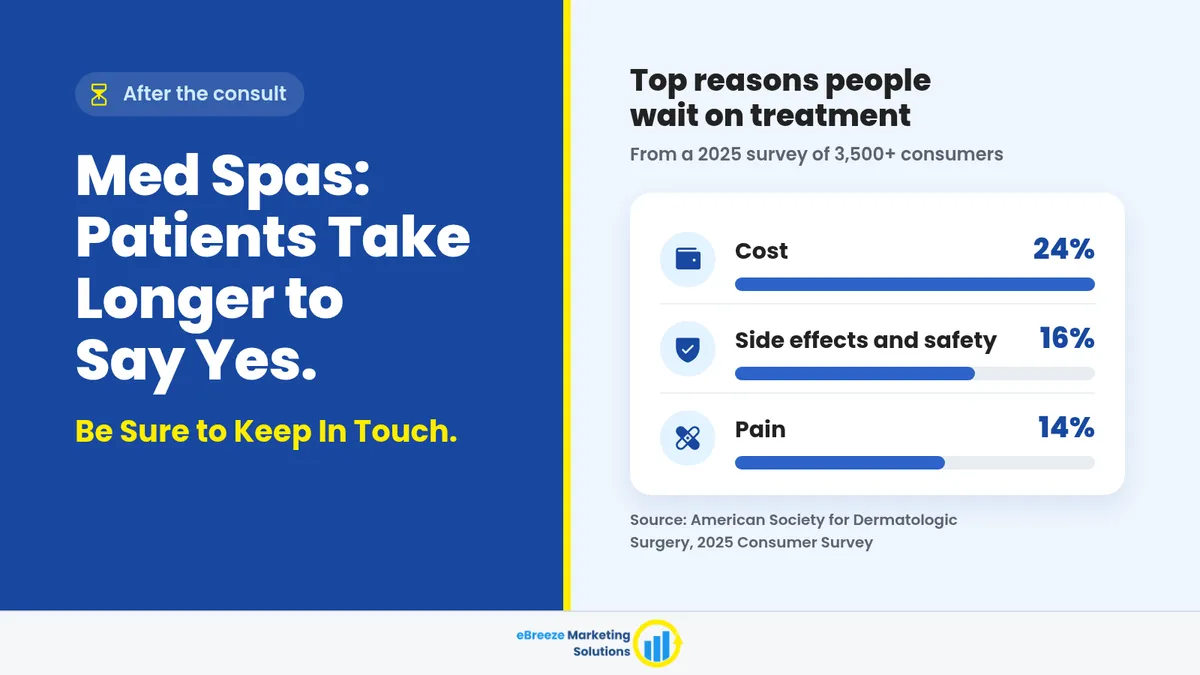
An aesthetics survey points the same way. The American Society for Dermatologic Surgery released its 2025 consumer survey on July 28, 2025. It found that many people interested in cosmetic treatments "are waiting to proceed with a treatment." The top reasons were cost (24%), side effects and safety (16%), and pain (14%).
So "not yet" is normal. When "not yet" turns into "yes," the spa that is still in touch is in the best spot to get the booking.
Follow-Up Gets Lost After "Let Me Think About It"
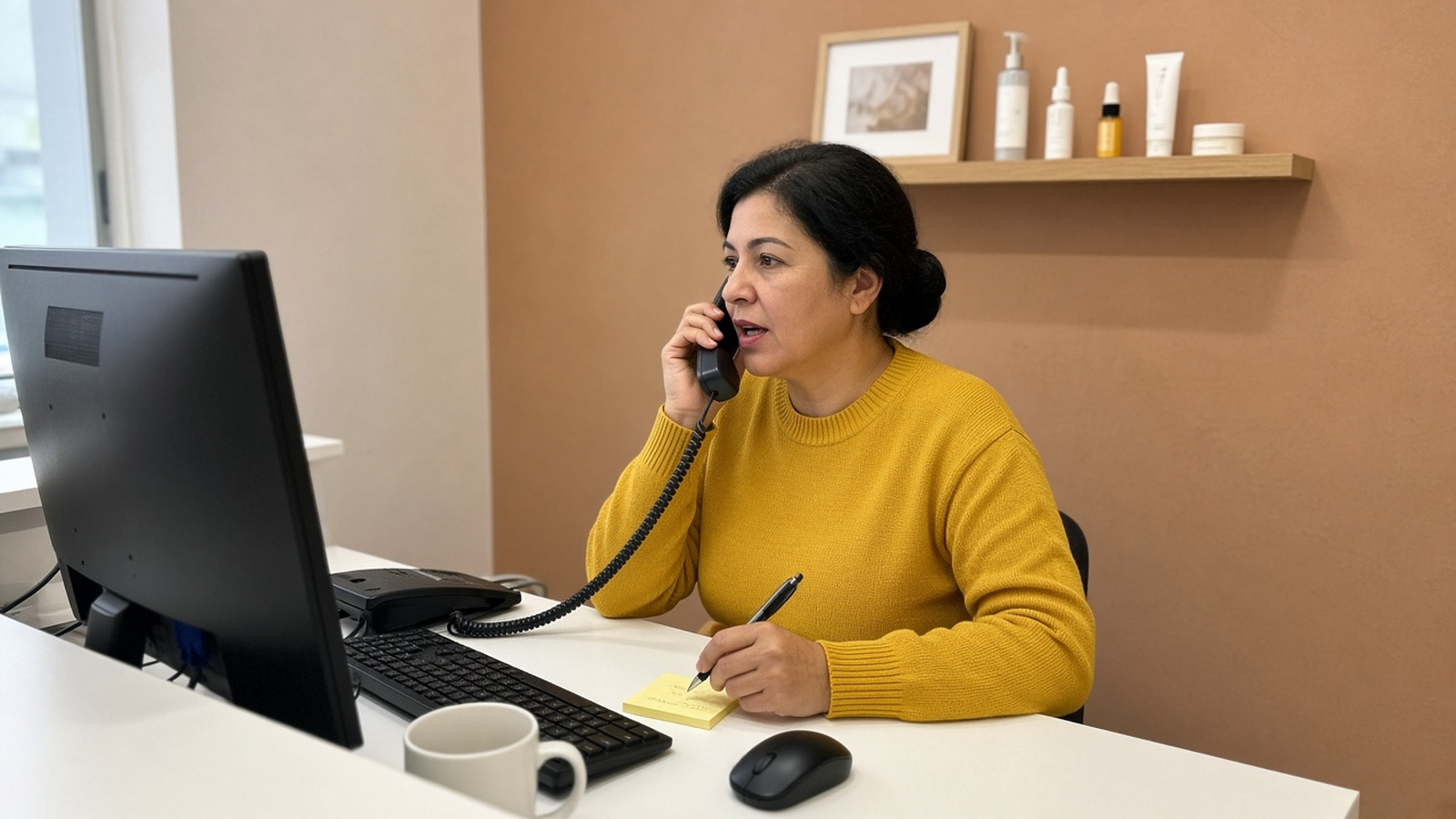
Here's how it usually goes. The consult ends. The patient walks out. The next step lives in someone's head or on a sticky note by the computer.
Then the shift changes. A busy week comes. A month goes by, and nobody remembers who said, "Call me after the holidays."
A sticky note can hold a name. It can't send a text.
That's a real loss, because the people who already know you matter a lot. An aesthetics data company's Q3 2026 report, covered by American Spa on Oct. 20, 2026, found that about 82% of revenue at the businesses it studied came from existing patients. New-patient revenue slipped a little. American Spa notes that the group of businesses in the report changed this year, so it isn't a picture of every med spa.
Still, the lesson is plain. People who already know your spa matter, and that includes someone who came in for a consult.
Keep One Simple List of Who Is Still Deciding
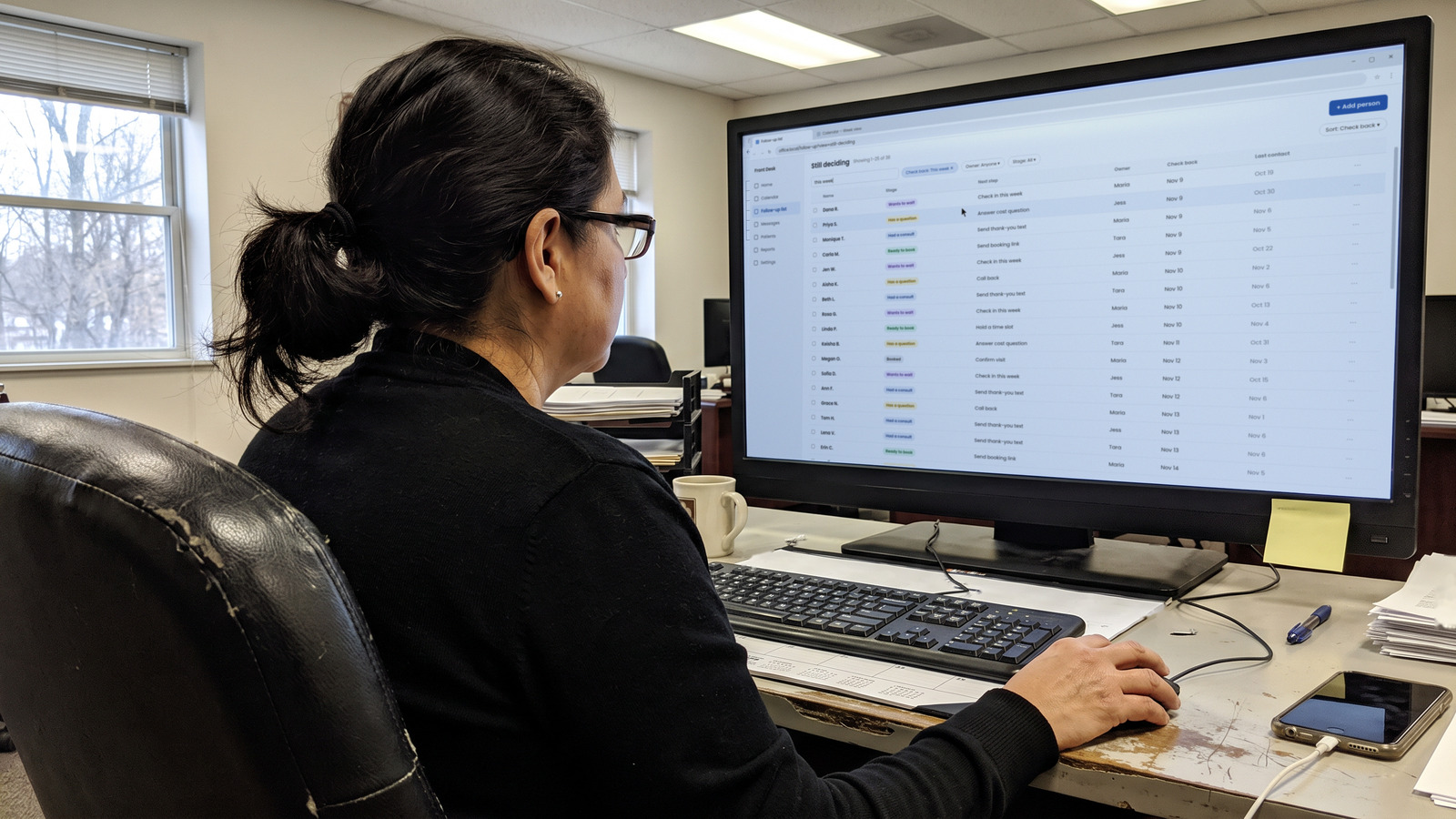
You can't follow up with people you can't find. So start with one list.
For each patient who had a consult, write down:
- Their name and the best way to reach them
- What they asked about
- What's holding them back, if they told you (cost, timing, or a question for the provider)
- The date they'd like to hear from you
Then give each person a simple stage:
- Had a consult
- Has a question
- Wants to wait
- Ready to book
- Booked
Each person gets one next step and one person on your team who owns it. Now your front desk can start the day by checking who is due for a check-in. Nobody has to dig through old texts or guess.
This is the kind of list eBreeze sets up for you, so nobody on your team has to build a spreadsheet.
A Simple Med Spa Consultation Follow-Up Plan
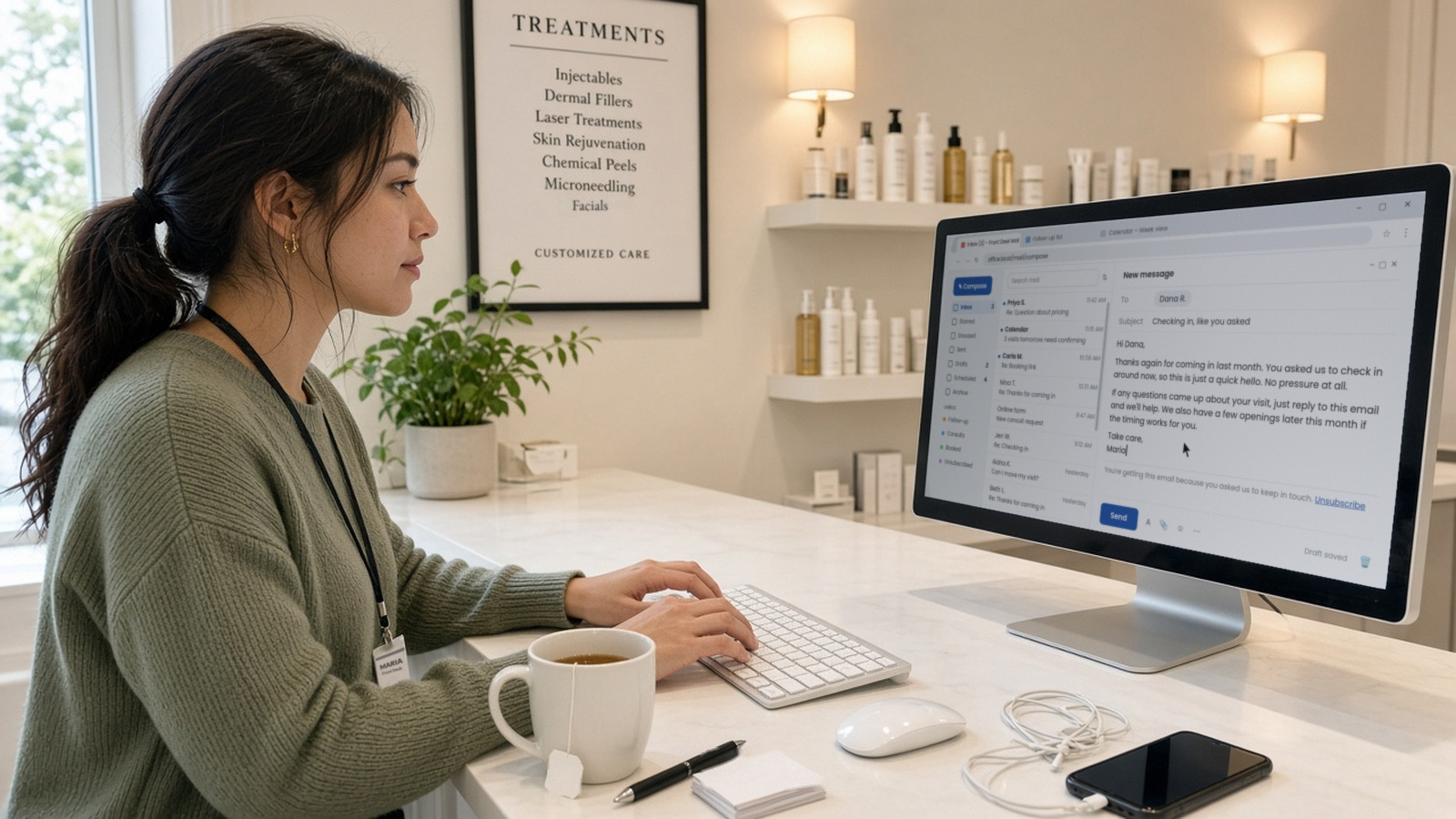
This is a starting point, not a strict rule. Change the timing to fit your spa and your patients.
- Before they leave, ask. "Would you like us to check in? When is a good time?" Write down their answer and how they want to be reached. You can also ask this on your intake form.
- Same day or next day, say thanks. Send a short note that answers the question they asked, or says who will answer it. Clinical questions go to the provider, not the front desk.
- On the date they picked, check in. Keep it short and friendly: "Hi Dana, it's Maria at [Spa]. You asked us to check in this week. Any questions we can answer? Reply STOP to opt out."
- During a longer wait, send a helpful email now and then. Share general information, like what a visit is like, how to get ready, or new openings on the calendar. No pressure, and no fake deadlines. Every email should include a clear way to unsubscribe.
- When they say stop, stop. Mark it on the list and end the follow-up.
Each step tries to answer the patient's real question. That way, when they're ready, booking with you is the easy choice.
And remember, three texts in one afternoon isn't follow-up. That's just a lot of texts.
Keep Follow-Up Kind, Private, and Honest
Med spas are a health setting, so a few rules matter here. This isn't legal advice, but these are the basics to know.
Ask first. The FCC's guide to robocalls and texts (updated Feb. 27, 2026) says "commercial texts require written consent." It also says people can opt out "at any time and in any reasonable manner," even if they said yes before. FCC rules that make it simpler to take back consent took effect April 11, 2025. So get permission at the consult, and honor every "please stop," however it's said.
Keep treatment details out of everyday texts. The U.S. Department of Health and Human Services explains that HIPAA requires a patient's written permission for most marketing that uses their health information. Some messages about your own services are treated differently, so the details matter. A simple habit helps either way. Keep texts general, like "your visit" or "your questions," and leave out the name of a treatment. Anyone who picks up the phone can read a text. Ask your compliance advisor what your spa's messages can say.
Don't promise results. The FTC's Health Products Compliance Guidance (2022) says claims about health benefits need solid scientific support. It also says that adding the word "may" doesn't fix a claim you can't back up. Your follow-ups should talk about questions, timing, and openings, never about how someone will look or feel.
When in doubt, ask before you send.
Let Patients Who Are Still Deciding Hear From You
Patients often need time, and that's fine. What costs your spa money is going quiet while they decide.
eBreeze sets up follow-up texts and email that keep in touch with past consult patients who said yes to hearing from you, on the timing they asked for. We also track who is still deciding, so your front desk can see every open consult in one place. We build it and run it for you, so it doesn't depend on someone remembering.
You don't have to start big. Pull the consults from the last 90 days. Make the list, reach out to the people who said they'd like to hear from you, and see who books.
