

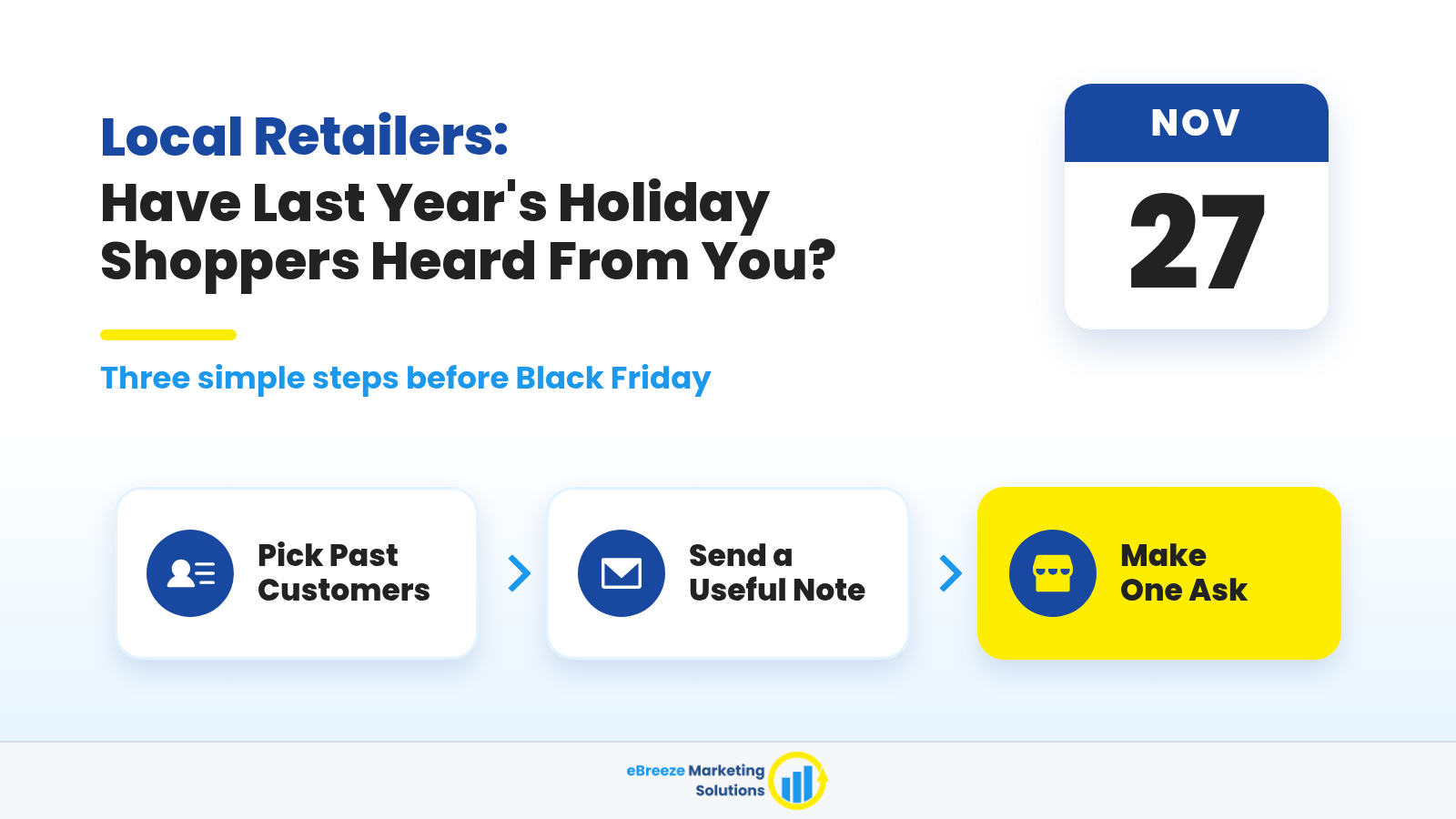
Local Retailers: Have Last Year's Holiday Shoppers Heard From You?
Your past customers already know your store. A few short, useful messages before Black Friday can bring some of them back, and that can cost less than buying more ads.
The holiday ads are going up. The displays are out. And somewhere in your register is a list of people who bought gifts from you last December.
Have they heard from you since?
That's the problem. Ad money goes toward finding strangers. Meanwhile, the people who already chose you once are getting holiday emails from other stores. They didn't forget you on purpose. You just went quiet.
The fix is not a big campaign. It's a few short, useful notes to customers you already have. It takes less time than you'd think. It can cost less than more ads. And it gives your best customers a reason to come back before Black Friday.
Here's how to do it in the weeks you have left.
Holiday Sales Are Expected to Grow. That Doesn't Mean They'll Come to You.
The big forecasts look good. The National Retail Federation (NRF) expects holiday sales in November and December to grow 4.2% over last year, to about $1.013 trillion. Deloitte expects holiday sales from November through January to grow 4% to 4.8%.
Shoppers are still being careful, though. In its latest monthly sales report, NRF said households "remain budget conscious." Deloitte says shoppers are switching between brands and stores and using deals to stretch their money.
So people will shop. The question is where. A shopper who is comparing prices can easily end up somewhere new. That's great if it's your store. It's not so great if it's your past customer walking into someone else's.
A national forecast is about everybody. Your customer list is about the people who already trust you. That list is the part you control. Sadly, a trillion-dollar forecast does not come with the names of who's shopping at your store.
Writing to Past Customers Can Cost Less Than Finding New Ones
Think about what it takes to win a brand-new customer. You pay for ads. You hope they click. Then they still have to find your parking, learn your return policy, and decide if they trust you.
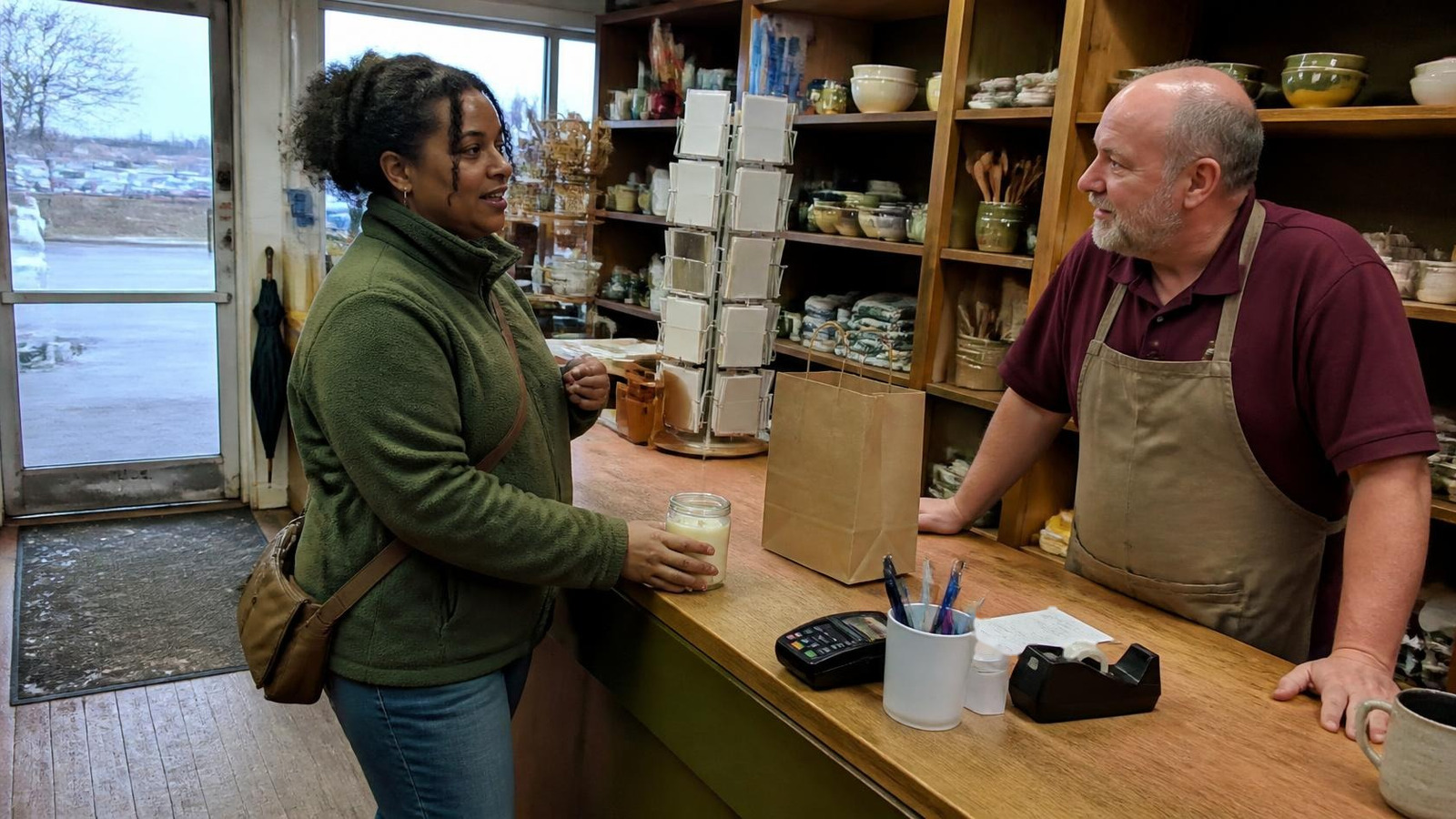
A past customer already knows all of that. They know your staff. They know which shelf has the good stuff. You don't have to pay to introduce yourself again.
The way people look for gifts is changing, too. Retail Dive reported that a Bain & Company study found 24% of holiday shoppers plan to start their gift search with AI tools. That means some shoppers will start in an app, not on your street. A note from you can reach your own customers before that search even starts.
None of this means you should stop running ads. It means your own customers should hear from you first. Nobody has ever said, "I wish that store had spent more on ads to remind me it exists."
Three Short Messages Beat One Giant Campaign
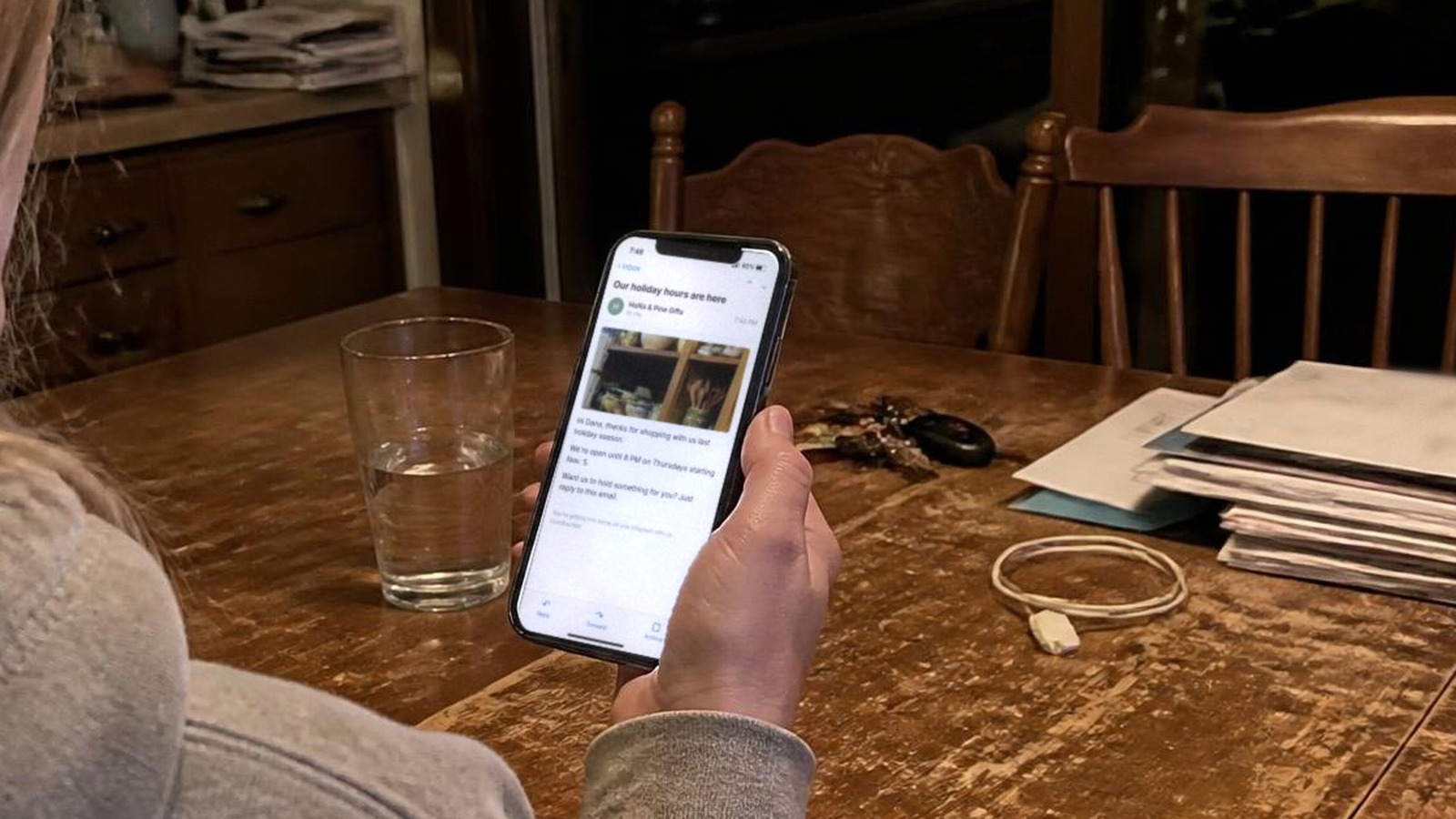
You don't need a 40-email holiday plan and a spreadsheet that scares your bookkeeper. You need a few honest notes to people who already chose you once. Here's a simple plan for customer reactivation, which just means getting past customers to come back.
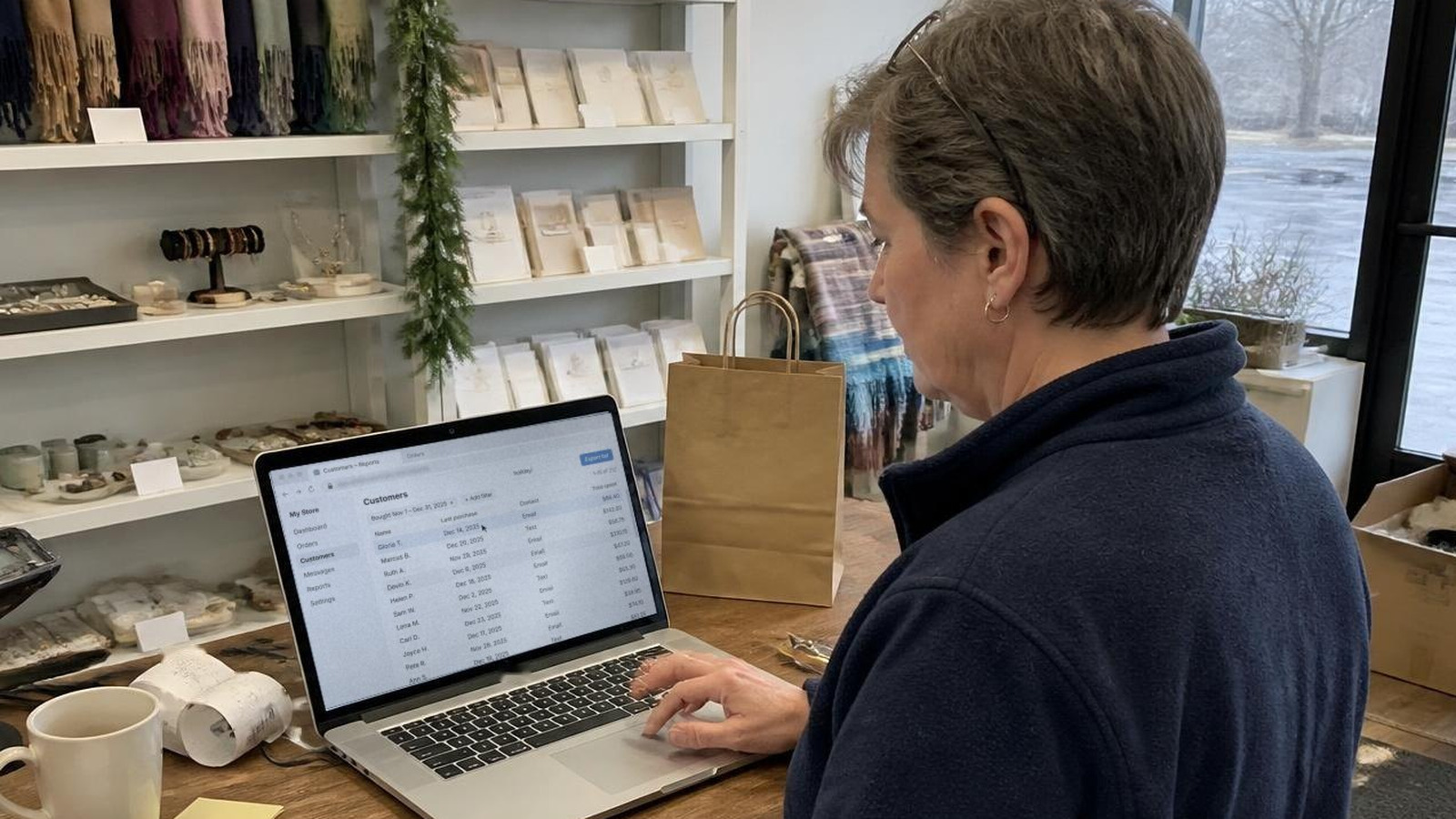
- Pick who to write to. Start with people who bought from you last November or December. Add people who used a gift card in January. Keep the group small enough that you can say something real, like "You shopped with us last holiday season."
- Lead with something useful, not a coupon. Share your holiday hours, gift wrapping, how to hold an item for pickup, or when a popular item will be back in stock. Clear answers help careful shoppers plan, and they don't cost you a price cut.
- Send three messages, not thirty. Black Friday is Friday, November 27, and Small Business Saturday is the next day. Send the first note in early November to say hello and share what's new. Send the second in mid-November with what's in stock. Send the last one the week before Thanksgiving with a plain invite to stop in. If someone replies or opts out, stop.
- Use the right channel for the message. Email is good for details like hours and pickup rules. A text message is good for a short reminder, but only send texts to people who agreed to get them.
- Make sure someone answers replies. If a customer writes back, "Do you still carry those candles?" someone needs to see it and answer it the same day. Replies can come in by email, text, or your website chat (Conversational AI). Pick one person to check them.
Plan on one afternoon to set this up. Pull the list, write three short notes, and schedule them. After that, the main job is answering replies.
This won't bring back every past customer. Nothing will. But it gives the people who already paid you a fair chance to hear from you before the busiest weeks start.
Make the Next Step Easy to Take
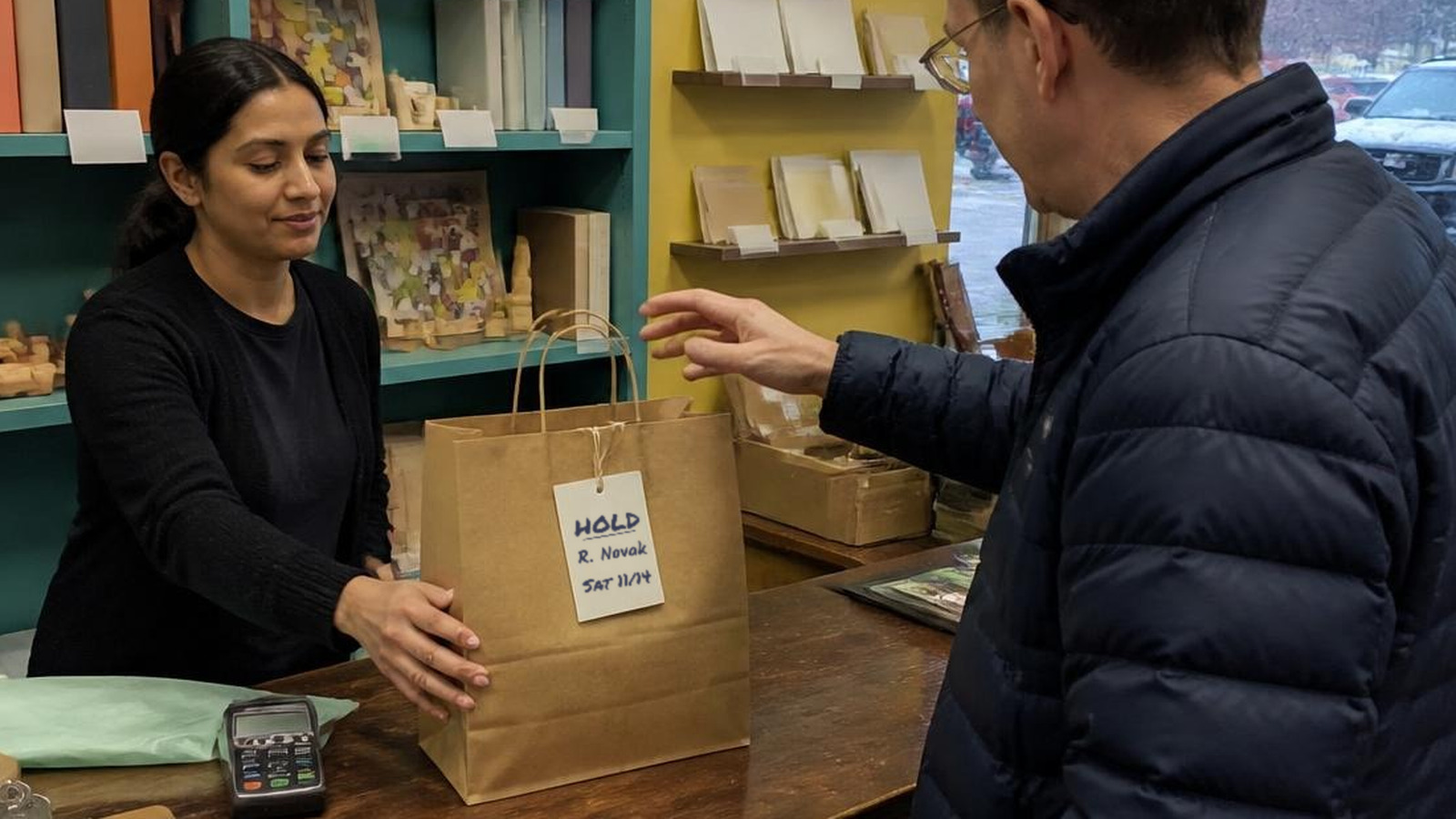
Every message should ask for one thing. Don't give people five links. Give them one.
Good asks are simple:
- Stop in this week for early gift help, before the weekend crowds.
- Reply with a question about a product.
- Hold an item and pick it up on a day that works for them.
Give people the details they need to say yes. Tell them which days are busiest. Say whether you hold items and for how long. Explain how returns work after December 25. Tell them where to park when Main Street fills up.
Keep it personal without being creepy. "You shopped with us last holiday season" feels friendly. "Hi [FIRST NAME]!" with a broken name field does not.
Make sure the next step is something your team can handle in the busy weeks. If nobody can answer the phone on Saturdays, don't tell people to call on Saturday.
Shoppers who are comparing stores may pick the one that makes it easy. If your past customer has to dig for your hours, they may just go somewhere else.
Quick Answers About Bringing Back Past Holiday Customers
Is it too late to start before Black Friday?
No. If you start in early November, you still have time for three short messages before November 27. And many shoppers start early. NRF says that for more than a decade, at least two in five holiday shoppers have started browsing and buying before November.
Do I need a big discount to get past customers back?
Not always. Deals matter to shoppers this year. But useful notes about early access, holds, and holiday hours give people a reason to come in, without teaching them to wait for a bigger sale.
Should I email everyone who ever bought something?
No. Start with last year's holiday buyers. One "Happy Holidays from all of us!" email to everyone is how people learn to skip your emails.
Is texting better than email?
They do different jobs. Email holds details. Texts work for short reminders, but only for people who said yes to texts. Use both only if someone on your team watches for replies.
What if my customer list is messy?
Start with the cleanest part, like recent holiday buyers with a good email address. Fix the rest as you go. A small, clean list beats another year of silence.
Will AI shopping tools replace my store?
No one can promise what will happen. But if about one in four holiday shoppers plan to start with AI tools, that's a reason to reach your own customers directly. It's not a reason to give up on your store.
Send Your First Note This Week
Holiday sales are expected to grow. Your past customers are the easiest people to reach, and they already know where you are.
Pick the list. Write one useful note. Send it this week. Worst case, a few people learn your holiday hours. That's still a good day.
Want help keeping up with past customers all season, so your team can stay on the sales floor? eBreeze sets up and runs past-customer follow-up for Local Retailers. See how eBreeze helps Local Retailers.
